Compare snow pants by the exact cut, measurements and layers
Read the applicable body chart separately from finished garment dimensions, and try the actual trouser, layer and boot combination before settling a fit question.
Updated:
Find out what the size chart measures
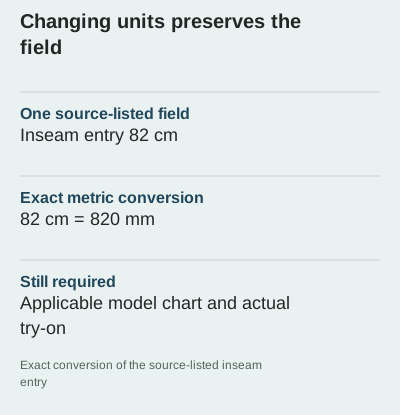
Before ordering snow pants, establish whether the chart describes body measurements or the finished garment. A waist range, a flat waistband width and a labelled size are different records. Keep the exact product, cut and chart category together, including any short, regular, long, junior or other option actually offered. If a retailer supplies garment dimensions, ask what was measured and whether the fastening or adjustment was in a defined position. Do not double a flat measurement and silently treat it as the maker's body-sizing advice. The archived pink trousers show physical waist fastenings and lower-leg panels; their photograph supplies neither body dimensions nor the measurements of the item you intend to buy.
Salomon Australia men shorts/pants chart and measurement definitions ? Gore prioritises exact garment care labels and distinguishes special constructions ? NIST SI length context and exact metric prefixes ? Salomon AU BRILLIANT PANT LC2635600 ? Salomon AU VENOM PANT LC2636800 ?
Keep a general chart within its actual scope
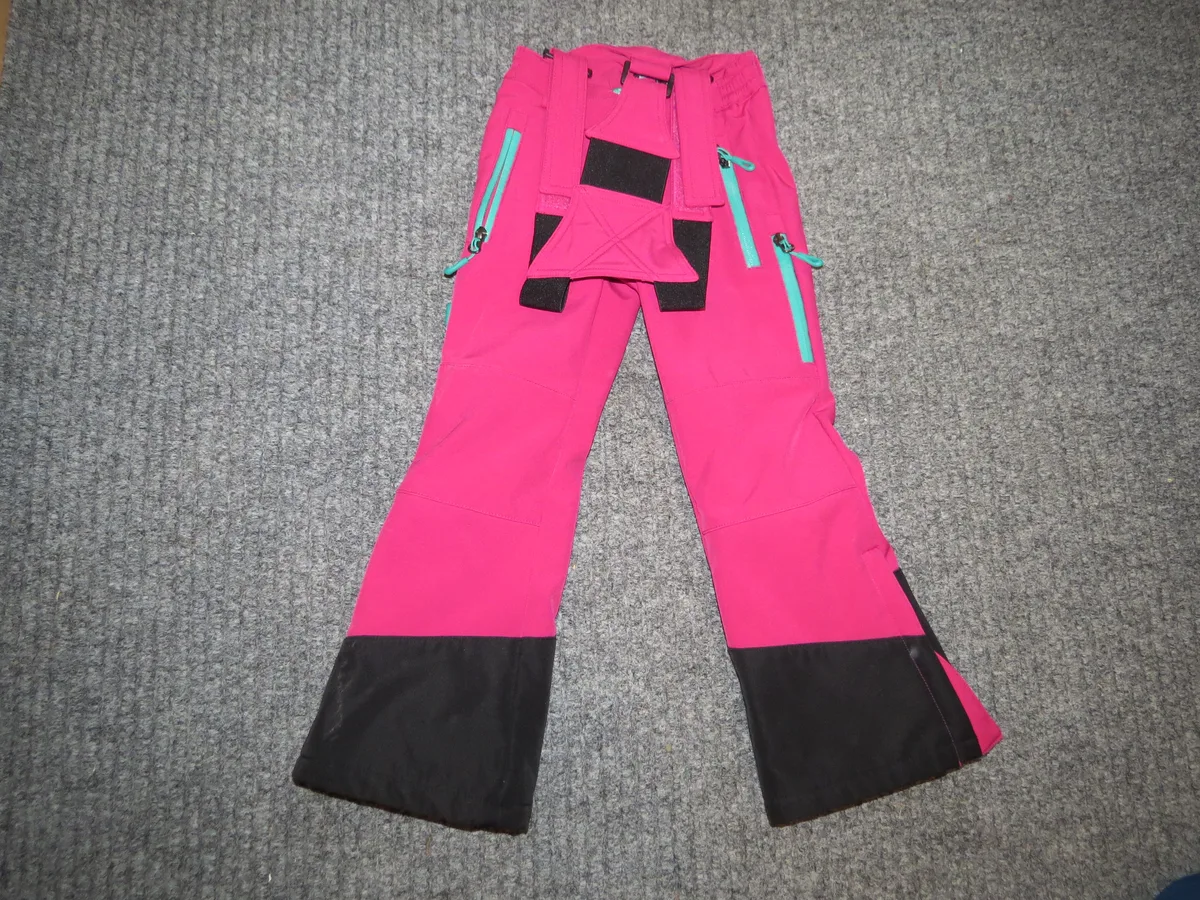
Salomon Australia's men shorts-and-pants chart lists M with a waist range of 83–89 cm, hip range of 96–102 cm and an inseam entry of 82 cm. Its measurement illustration describes body waist, hip and inside-leg readings. These source entries were checked on 28 October 2026 and are a chart-reading example, not a universal snow-pant recommendation. The manufacturer page contains other categories and dedicated variants; the supplier still needs to confirm the applicable chart for a specific garment. A matching letter on another brand, a women's or junior item, or another cut does not establish equivalent dimensions. Save the correct heading as well as the row when recording a source. Two actual Australian Salomon pants demonstrate why the cut belongs beside the chart: BRILLIANT PANT LC2635600 is listed as Regular fit with 20K/20K fabric, while VENOM PANT LC2636800 is listed as Relaxed fit with 10K/10K fabric. These are real named options, not interchangeable size-M garments. The shared men’s body-chart row does not specify their finished waist, thigh or hem measurements. A reader wanting to investigate a relaxed silhouette has a different documented starting point from the regular-cut option, but still needs an actual trial with intended layers and footwear.
| Field | BRILLIANT PANT LC2635600 | VENOM PANT LC2636800 |
|---|---|---|
| Current fit label | Regular | Relaxed |
| Declared fabric level | 20K/20K | 10K/10K |
| Insulation information conflict | Shell field vs PrimaLoft Black Eco 60 g benefit | Insulated-shell title vs Shell field |
| Finished garment measurements | Not established by the generic body chart | Not established by the generic body chart |
Convert one field without creating a fit result
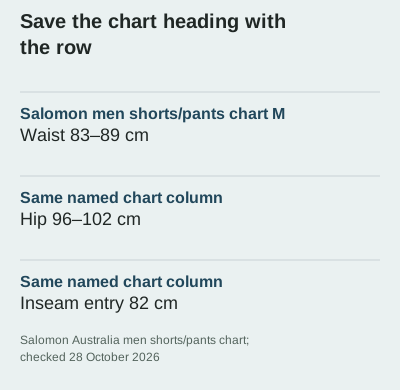
For the documented example, 82 cm converts exactly to 820 mm. It remains an inseam entry from that source, rather than a new outside-leg length or a measurement of the photographed trousers. If comparing a seller's garment measurement with a body chart, label the two separately even when the numbers happen to match. Ask how the product's cut, construction and intended layers relate to the chart instead of inventing your own allowance. Our dimension tool performs length conversion only; it does not select a trouser size. Keep uncertainties visible when a chart lacks a method or when two sources describe different fields. A precise unit conversion cannot repair an unidentified measurement. Both current product pages also contain an unresolved insulation-description issue. BRILLIANT’s structured field says Shell while benefit text names PrimaLoft Black Eco 60 g insulation. VENOM’s title says insulated shell pants while its Insulation field says Shell. This guide preserves those conflicts and does not call either option uninsulated or assign a warmth outcome. Request written exact-SKU clarification before making insulation the deciding feature. The declared 20K/20K versus 10K/10K fabric levels are not a personal weather guarantee or evidence of twice the field performance, and the displayed moisture units do not establish a common 24-hour test basis.
Inspect the complete garment and its ownership requirements
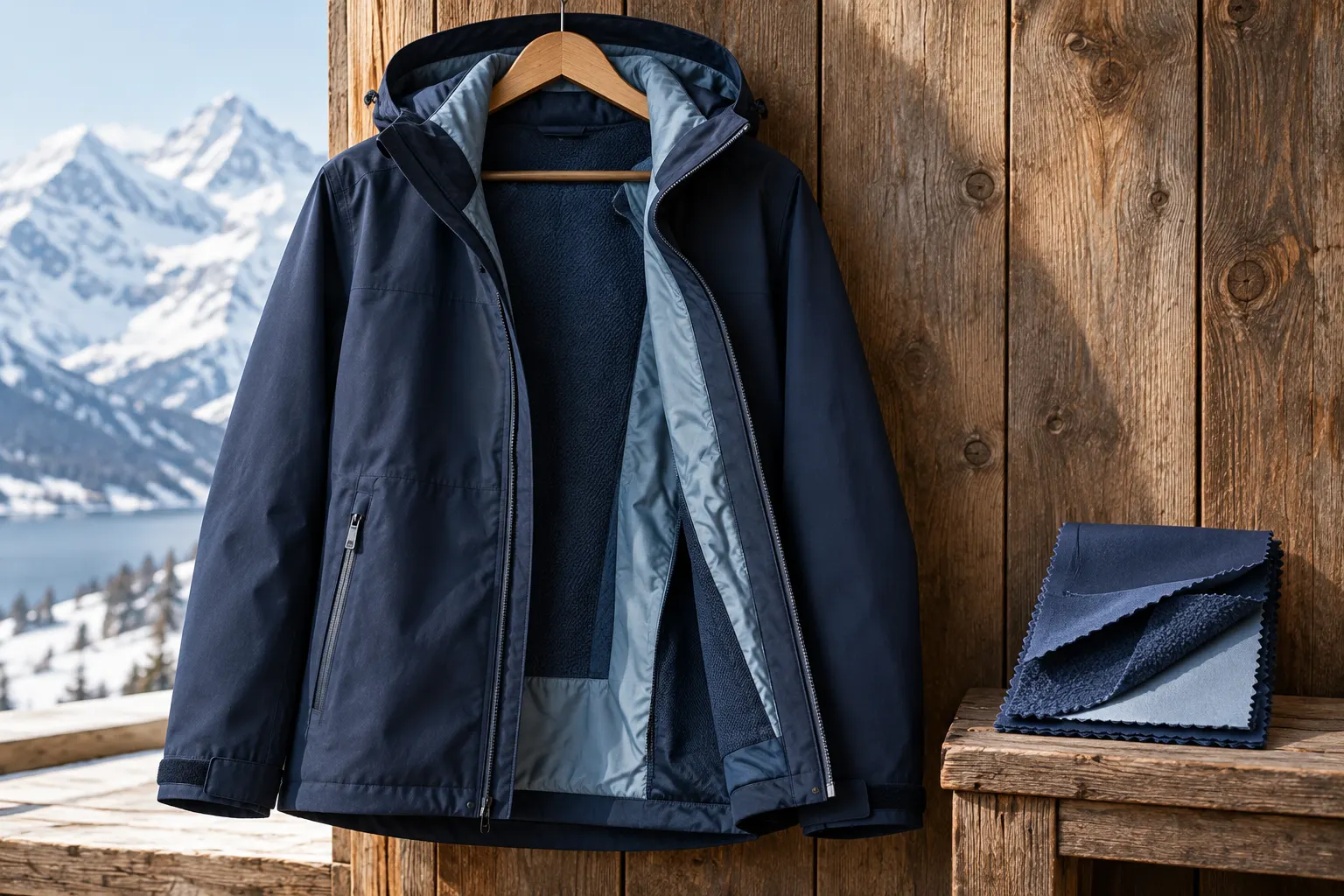
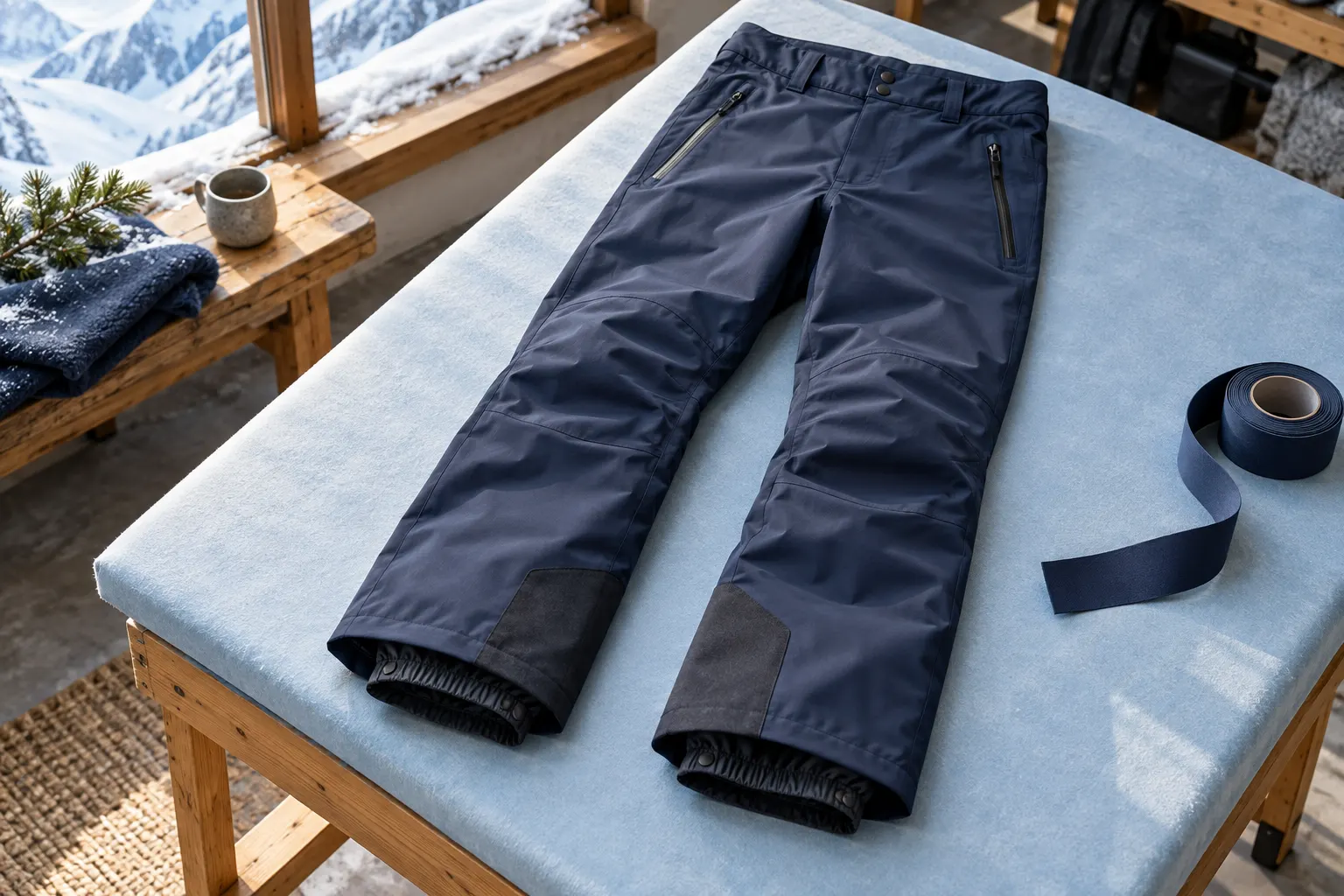
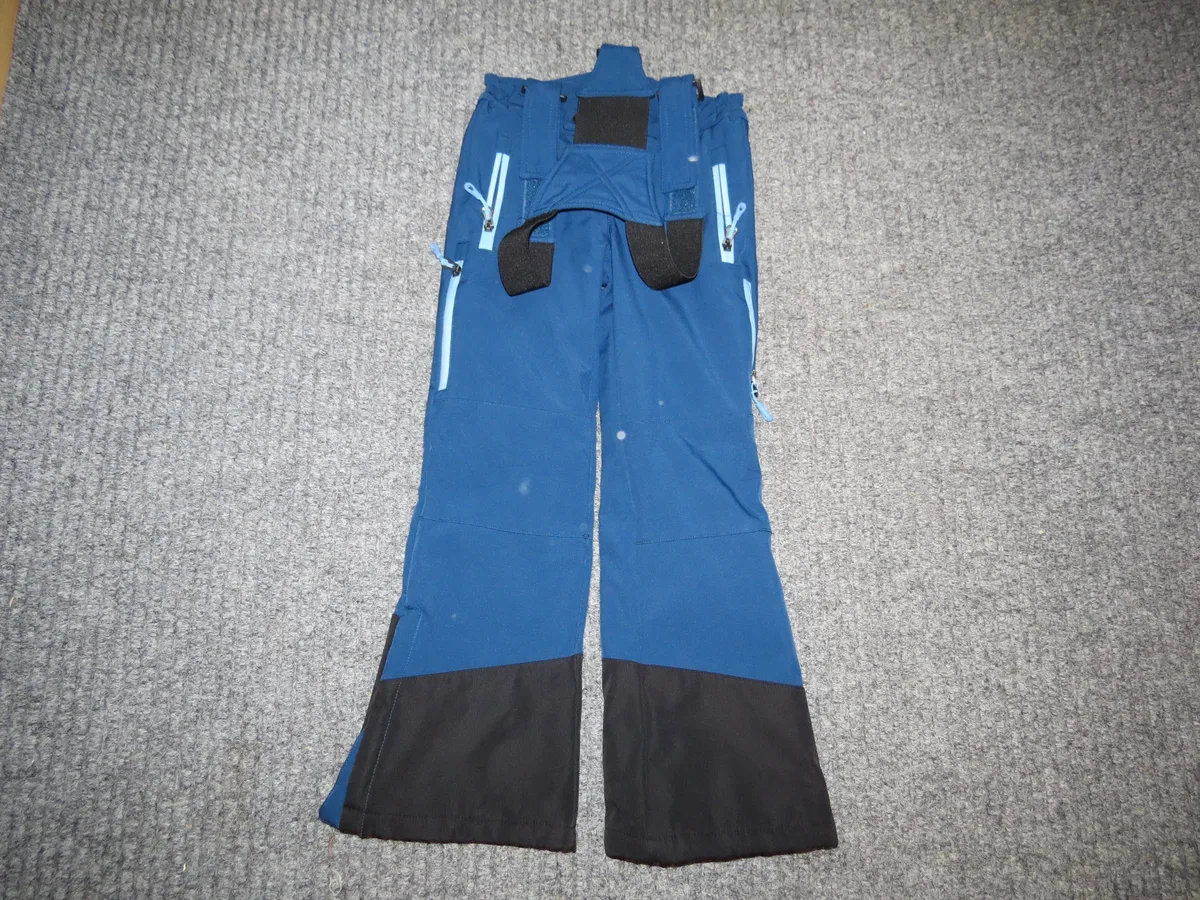
The blue trousers are a separately photographed garment, with their own waistband and lower-leg construction. Use such visible features as questions for the actual product: what adjustment is provided, which pockets and closures are included, and what care does this exact material need? Look for the supplied instructions rather than applying a generic shell-jacket washing recipe. Gore's care guidance itself prioritises the garment manufacturer's instructions and distinguishes special constructions. The photographs here do not identify a membrane, insulation specification or present-day condition. When comparing quotes, keep the complete model and confirmed features alongside delivery and purchase terms so that a cheaper item is not assumed to be an equivalent cut or package.
Check the hem, boot and layers as an actual combination
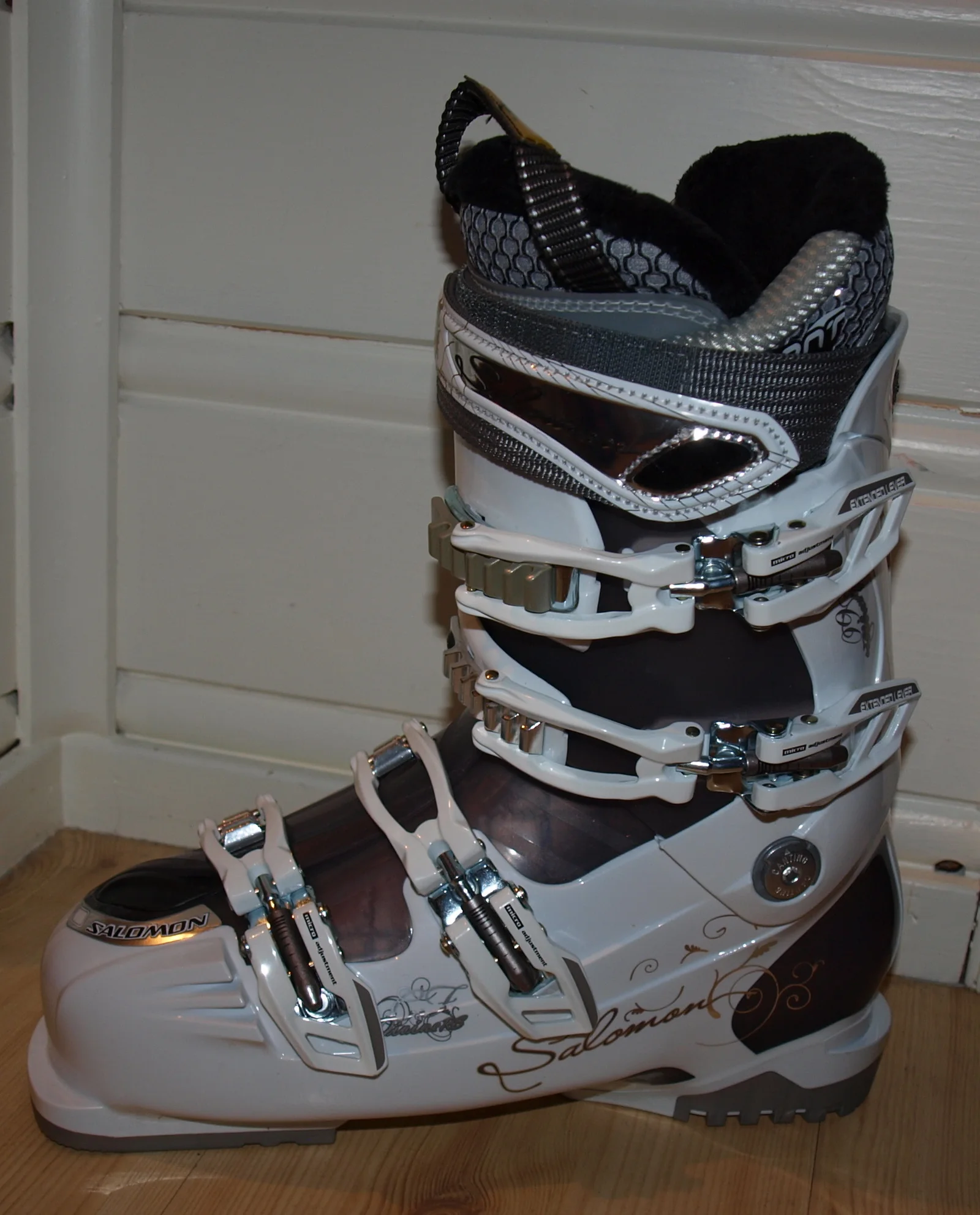
A snow-pant purchase also involves the actual boot and layers that will be worn with it. The third real photograph therefore shows a rigid alpine boot in profile: it is the separate physical component beneath a trouser hem, not a picture of trousers. Its shell and cuff illustrate why the boot type cannot be replaced by a shoe-size number in a garment enquiry. Ask the retailer how the actual trouser construction is intended to sit with the relevant boot, and try that combination using the applicable guidance. Do not infer fit from this archived 2010 boot or copy a photographed arrangement. Retain the confirmed garment identity, care label and unresolved questions. No chart or arithmetic here approves movement, warmth, protection or an individual's equipment combination.
Open official source ? Open official source ? Open official source ? Open official source ? Open official source ?