Choosing a snow helmet: the label, fit guide and actual trial
Identify the exact snow helmet and assigned fit chart, then assess the real helmet and goggles through the maker's guidance and an actual fitting process.
Updated:
Keep the exact model and its documentation together
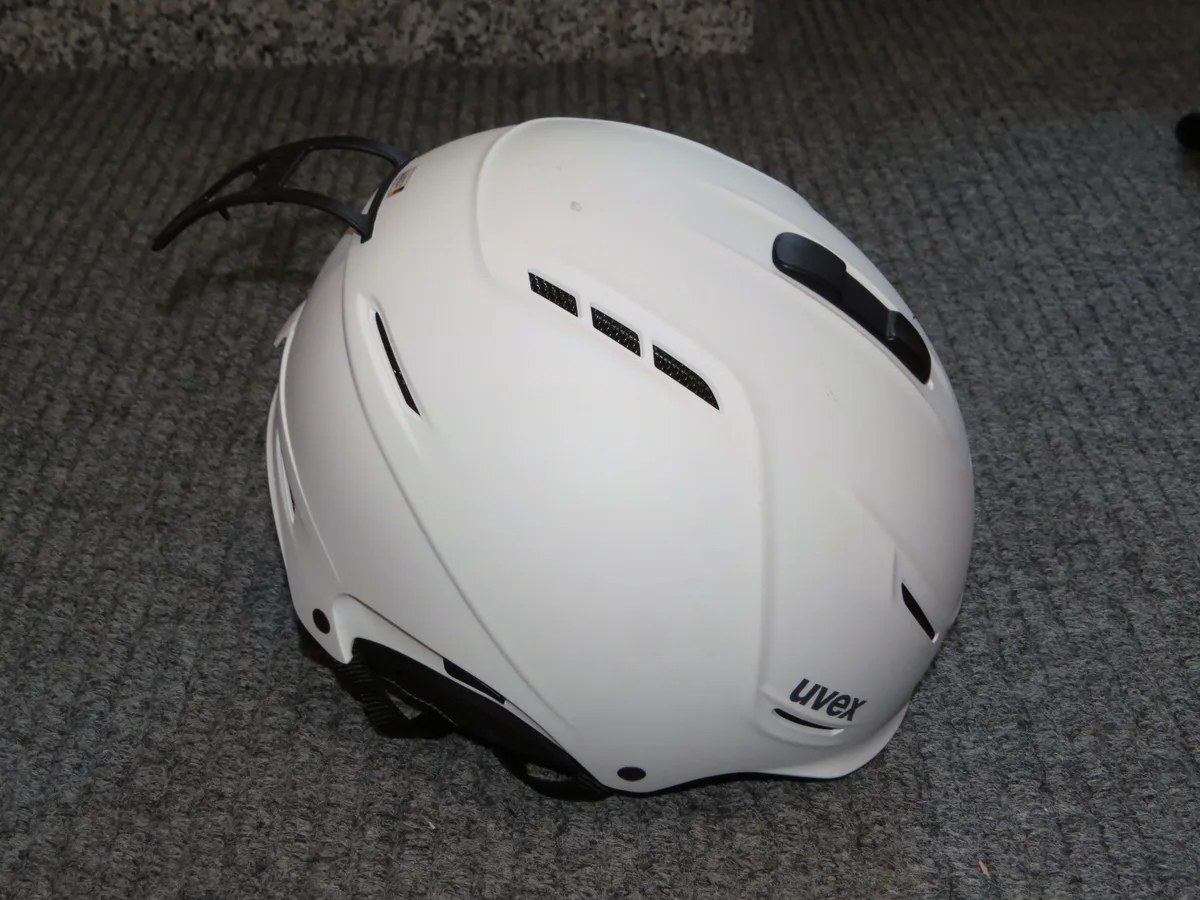
Start a snow-helmet enquiry with the full model, version, intended use and the manufacturer's applicable information. Record the size and fit-shape designation exactly as supplied, then ask the retailer which guide applies to that version. The archived Uvex photograph shows a real ski helmet's exterior, but its appearance cannot establish the current product documentation or whether another helmet has the same construction. Keep visible labels and the maker's guidance together rather than identifying equipment by shell colour alone. For a new purchase, obtain clear information about the actual item and the fitting process. A useful product record distinguishes what was documented from what was merely observed in a photograph.
Smith manufacturer snow-helmet sizing and fit explanation ? NIST SI length context and exact metric prefixes ? Smith adult chart presented on US Altus page separates fit categories ? Smith current US AltusE005092SW5155 andLevelE006299KS5155 construction/mass references ?
A circumference chart is a starting record
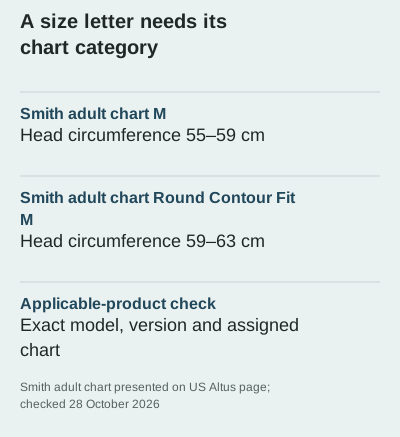
Smith's manufacturer fitting article distinguishes its regular and Round Contour fit charts and recommends trying actual helmets with a retailer when between sizes. The article was published on 24 September 2024 and checked here on 28 October 2026. The adult chart presented on the US Altus product page lists M at 55–59 cm and Round Contour Fit M at 59–63 cm. Those are different chart entries, not confirmation that every fit variant is offered for a chosen model. That is brand-specific guidance about using the applicable information, not a chart to apply to the Uvex helmet pictured above. Preserve the chart category with the model rather than treating a size letter as universal across different fit shapes. Ask how the exact version should be assessed and what help the retailer provides. The outcome of an actual fitting process involves the real equipment and person; a copied table row cannot establish the full result. Two actual US manufacturer references offer a construction comparison before that trial: Altus E005092SW5155 lists lightweight in-mold construction, 10 adjustable vents and a size-M mass of 450 g; Level E006299KS5155 lists hybrid-shell construction, 20 vents and a size-M mass of 540 g in the directly retrieved current body. Their displayed gram values differ by 90 g. An older indexed Level description gives 550 g, so this guide preserves the current-page reference and does not silently merge it with the older value or convert the rounded ounce label as an exact measurement. More vents, a lower stated mass or a different shell description does not establish a safer, warmer or better-fitting helmet. The actual model, version, assigned chart and physical fitting remain separate questions.
| Field | Altus E005092SW5155 | Level E006299KS5155 |
|---|---|---|
| Construction wording | Lightweight in-mold | Hybrid shell |
| Vent field | 10 adjustable vents | 20 vents |
| Current listed size-M mass | 450 g | 540 g |
| Condition caveat | No personal fit or protection ranking | Older search index 550 g differs from current 540 g |
Use measurement units without creating an approval
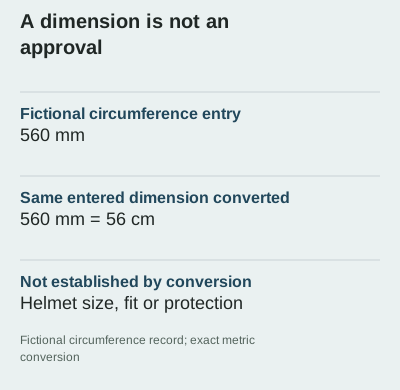
For an explicitly fictional record, a circumference of 560 mm is 56 cm after an exact metric conversion. The conversion preserves one measurement; it does not prescribe a helmet size, assess head shape or establish protective performance. Keep the measuring method and original unit beside the result, and follow the applicable manufacturer's instructions for obtaining the record. Do not substitute the outside width of a helmet shell for a head measurement or assume that two equal numbers describe equivalent fit. Our tool changes length units only and offers no helmet-fit result. When the chart or measuring field is uncertain, resolve that question through the maker or a qualified retailer before relying on a comparison.
Separate the fitting discussion from a photograph
The Toronto photograph shows an actual helmet worn alongside goggles. It illustrates the presence of two components, not a finding that the person's fit should be copied. Ask the retailer to assess the real combination using the relevant manufacturer guidance, including any documented limitations of that exact helmet and goggle. Keep questions about equipment history or uncertain condition separate from sizing. A purchase file can record the supplier's response and the relevant instructions, but it cannot turn an unknown helmet into an assessed one. This article gives no chin-strap spacing rule, modification procedure, impact test or individual protection guarantee. The appropriate next step is an actual fitting and product enquiry, with uncertainties clearly stated.

Bring the actual goggles into the enquiry
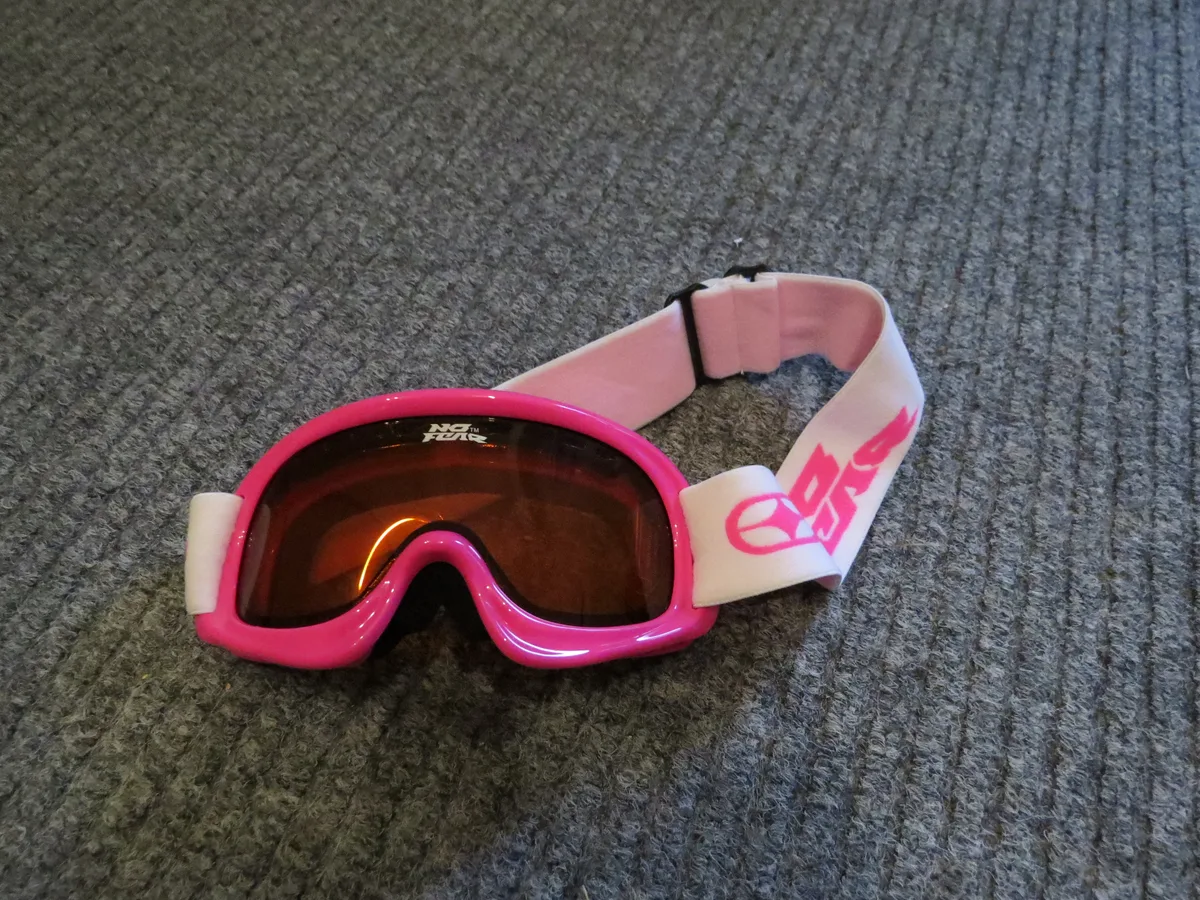
The third photograph is a separate pair of real goggles, included because the goggle is a physical part of the combination being checked with a helmet. It is not a third helmet or proof of compatibility. A frame name and lens description can help the retailer identify the item, but a catalogue image alone cannot settle how the actual pieces fit together. Save the confirmed helmet identity, goggle identity, applicable instructions and fitting advice with the purchase record. Revisit the record when a component changes instead of carrying an earlier finding onto a new combination. The conceptual cover is AI-generated, and the archival photographs provide equipment context rather than a professional assessment or evidence of current Australian stock.
Open official source ? Open official source ? Open official source ? Open official source ?