Regular or wide snowboard boots: read the model-specific difference
Check what wide means for the exact snowboard boot. A changed liner, a shell measurement and a board waist are different records, and the actual boot still needs fitting.
Updated:
Ask what changes in this maker's wide version
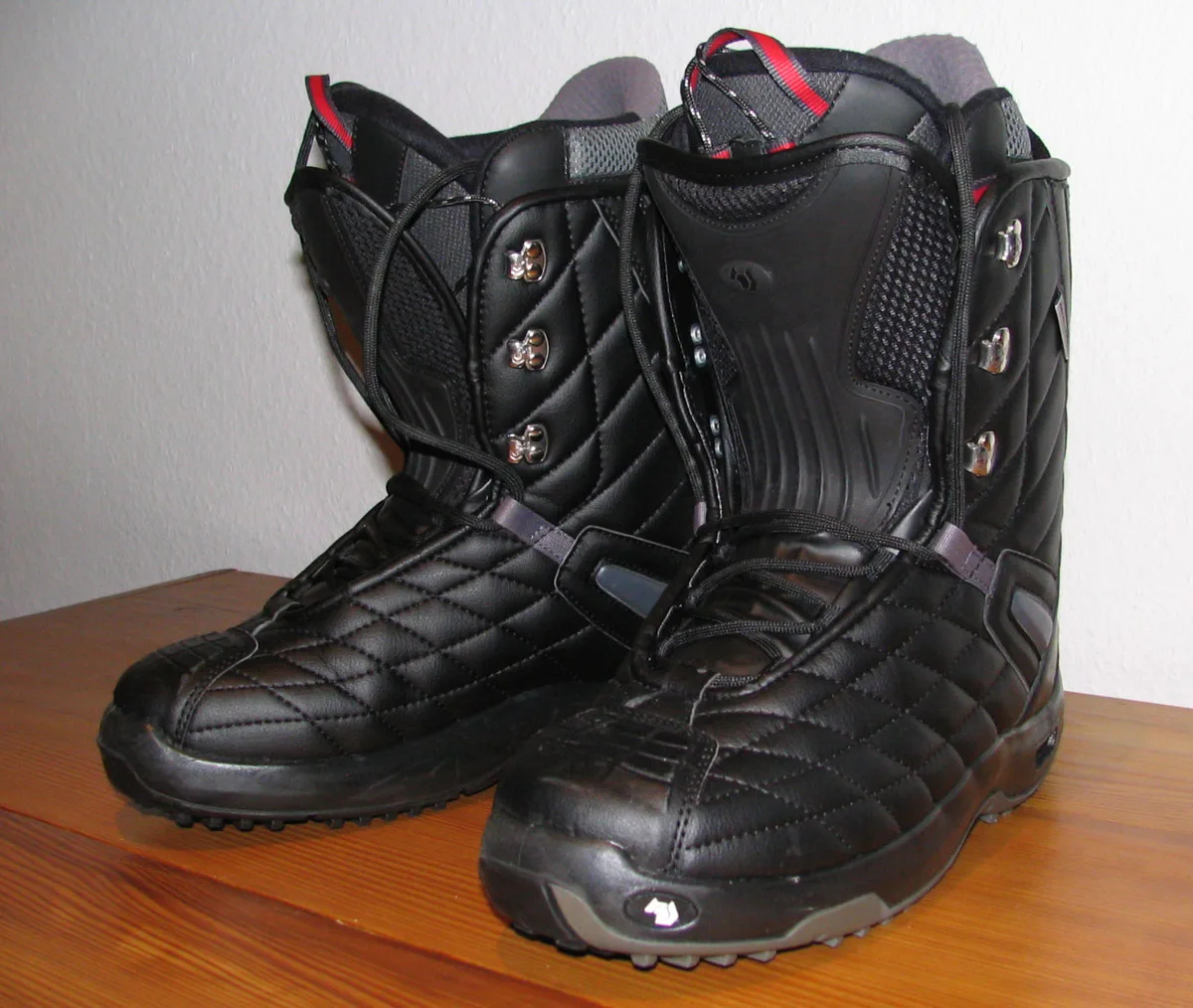
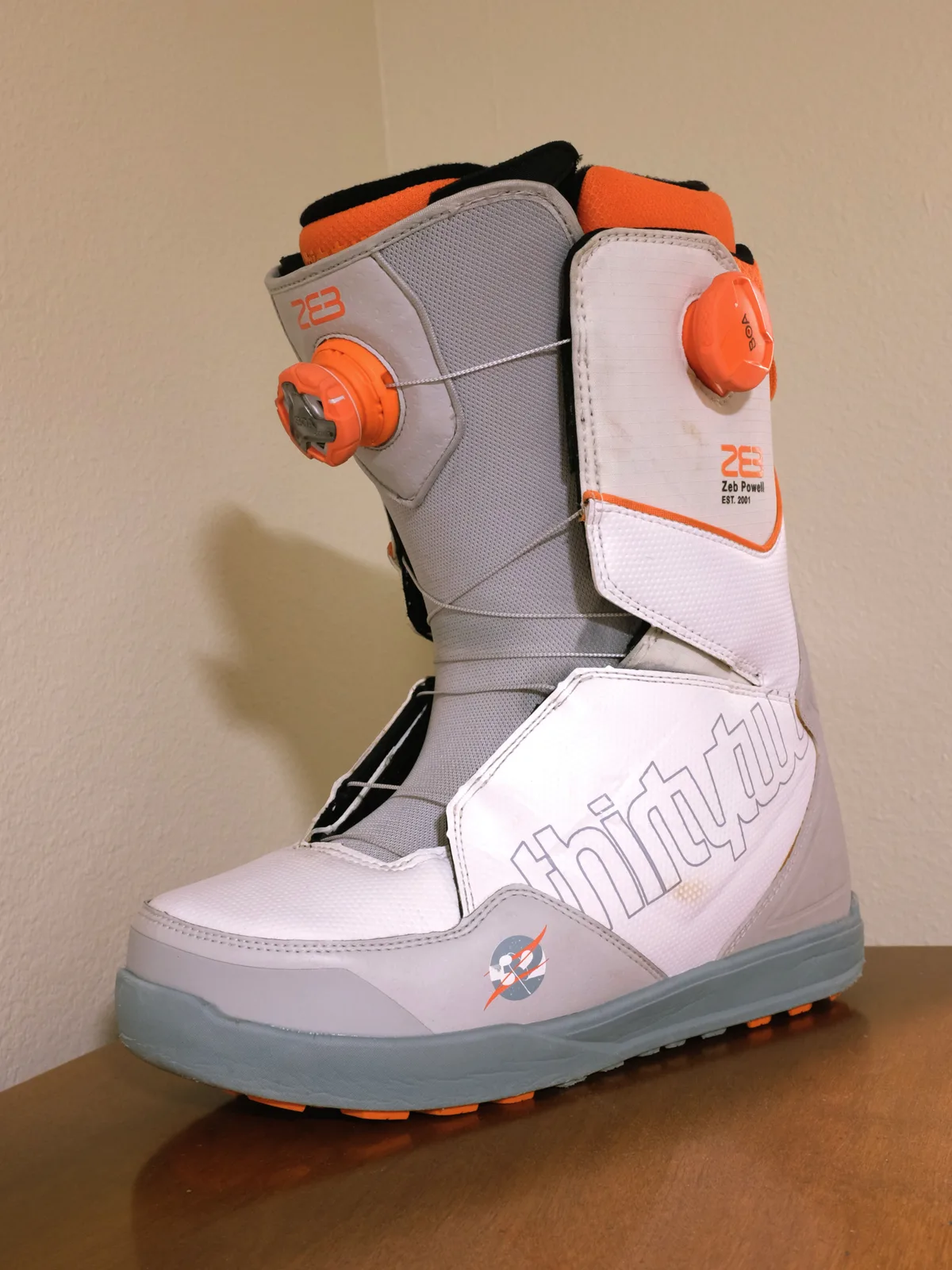
A wide snowboard-boot label needs an explanation for the exact maker and model. Start with the full product name, version, labelled size and the applicable width description. Ask whether the difference concerns the outer boot, liner or another feature rather than assuming that every brand uses the same construction. The ThirtyTwo boot photograph shows an actual soft-boot exterior and closure hardware, but it does not reveal a Burton liner or establish a width measurement. Record the seller's documented description beside the proposed item. If a listing uses only a broad word such as roomy, ask for the model-specific source and fitting process rather than turning that wording into a numerical allowance.
Burton wide snowboard boot construction is maker-specific ? NIST SI length context and exact metric prefixes ? Burton AU2027 Ruler BOA 203171 exact Tech Specs ?
The Burton example is a liner distinction
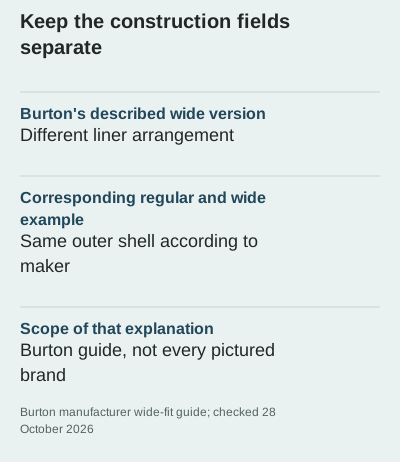
Burton's manufacturer guide explains that corresponding regular and wide versions use the same outer shell, while the wide liner has stretch panels around the forefoot area. This is the brand's construction explanation, checked on 28 October 2026; it is not a rule to apply to every boot or a specification for the other brands pictured here. The useful comparison therefore separates the liner description from an external shell dimension. Keep the exact version in the record and ask the retailer which current model information applies. Older sales, liner-availability or returns statements within a guide should not be treated as today's Australian purchase terms. Confirm the actual supplier's applicable conditions separately. A real current choice appears on Burton’s Australian 2027 Ruler BOA 203171 product-family page: it exposes separate Regular and Wide width selectors. These are actual alternatives within the named model, not an invented wide version inferred from a generic category. The page does not publish a verified millimetre difference in internal forefoot space, so this guide does not invent one or assign a foot-width cutoff. Burton’s same-model wide-fit explanation describes the liner distinction; that does not establish that two different model families share a shell.
| Field | Ruler BOA Regular | Ruler BOA Wide |
|---|---|---|
| Actual width selector | Regular | Wide |
| Applicable comparison | Corresponding same-model version | Corresponding same-model version |
| Brand explanation | Regular liner arrangement | Forefoot liner difference in wide-fit explanation |
| Internal millimetre clearance | Not established | Not established |
Do not substitute a board or street-shoe number
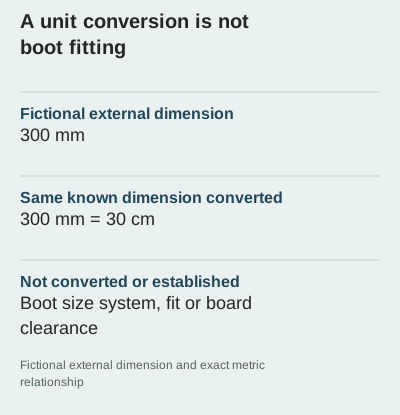
A board's waist width, a boot's labelled size and a physical shell dimension describe different things. A length converter can change units on one known measurement but cannot convert one record into another. For an explicitly fictional example, an external dimension entered as 300 mm is 30 cm. That tells you nothing about which foot will fit, whether the boot is a wide model, or how it will work with a particular binding. Leave an unidentified width blank rather than copying a value from a similar-looking boot. An actual fitting discussion needs the applicable product and the person, while a component-compatibility discussion also needs the actual board and binding identities.
Try the exact boot rather than the idea of a width
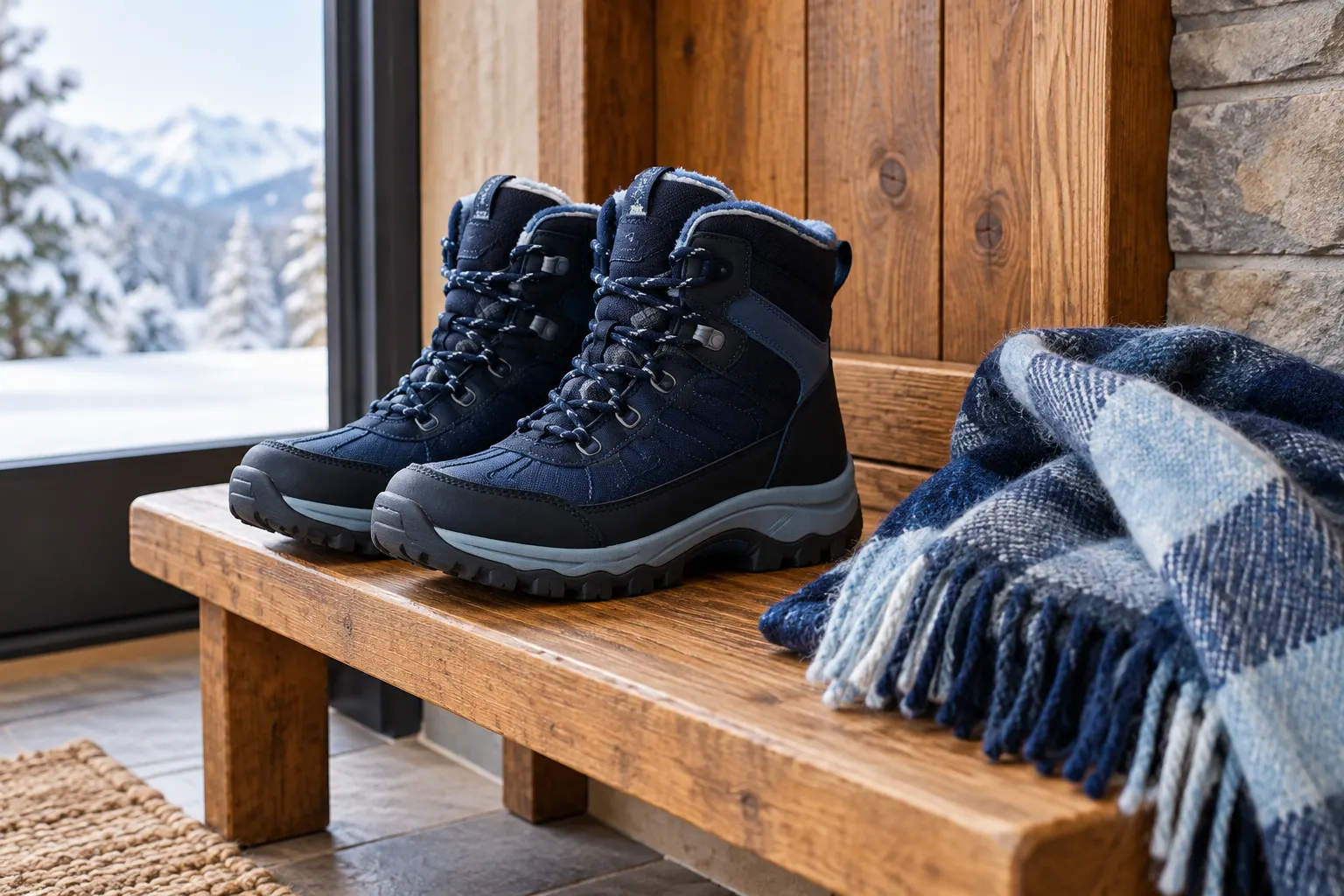
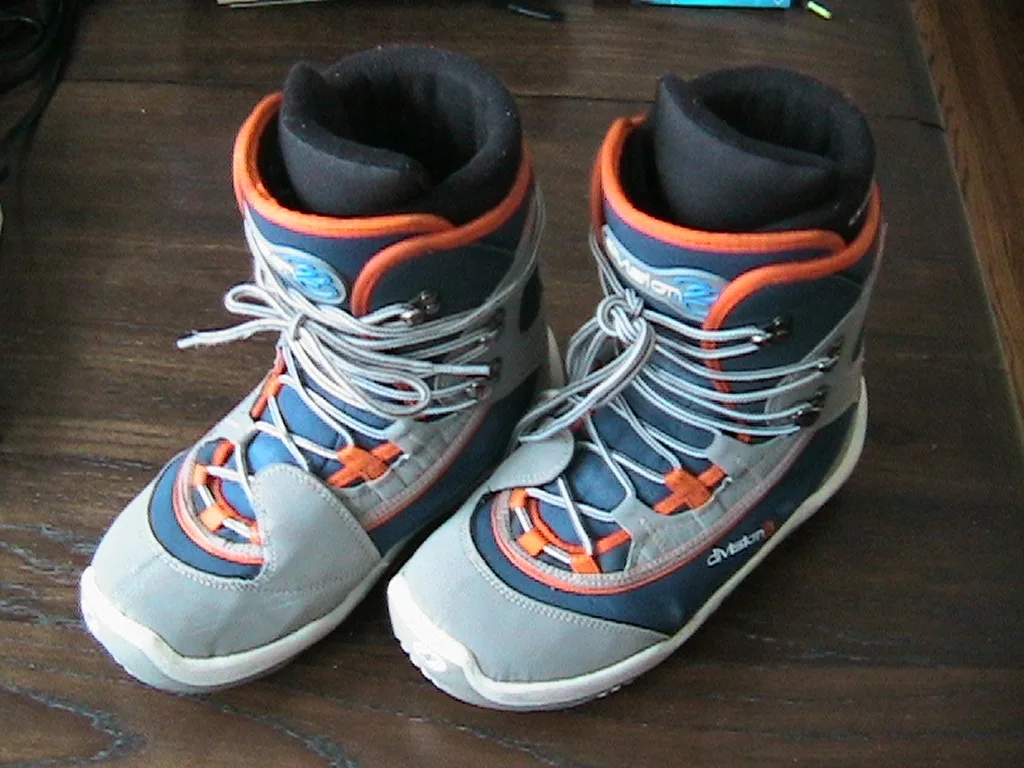
The archived Division23 boots have conventional laces and visibly different uppers from the ThirtyTwo example. That difference is useful product-identification context, not evidence that either is wider or more suitable. Burton recommends an in-person fitting and trying actual boots instead of relying only on sizing charts. Ask the retailer what their fitting process involves and bring the items they request, such as the socks relevant to the enquiry. Record the complete boot and liner version considered, the supplier's advice and any unanswered questions. This article provides no lacing tension, fitting modification, heating procedure or symptom diagnosis. A width category alone should not be presented as the outcome of a professional fitting.
Keep the confirmed pair and the purchase terms together
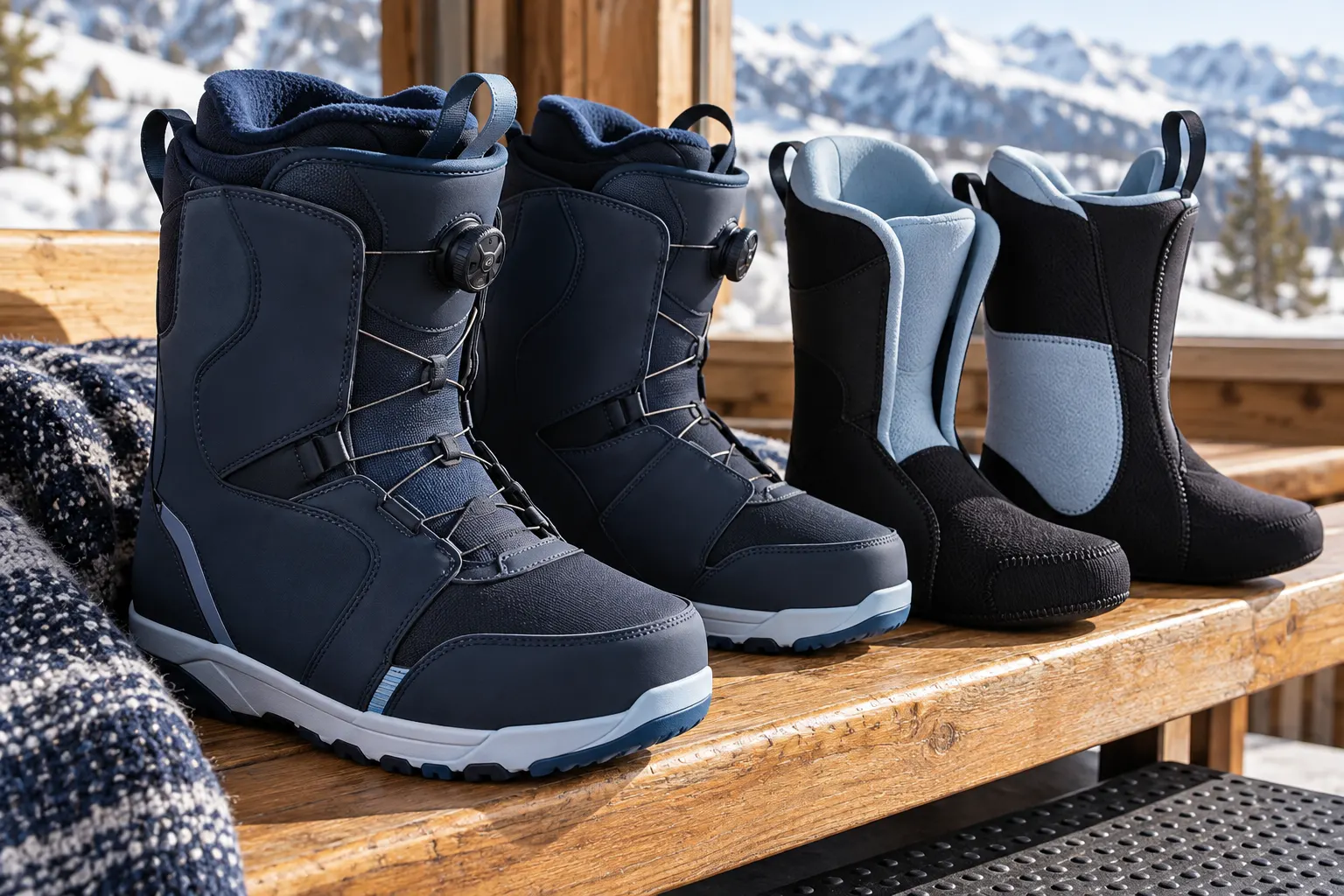
The third photograph is another actual pair of soft snowboard boots, not another view cut from one of the previous images. It illustrates how a saved photograph can help identify the pair while leaving its fit and condition unresolved. After the fitting and purchase discussion, retain the receipt, exact labels, applicable instructions and confirmed purchase terms in one equipment file. Check which liner or component is included and ask before assuming replacements are sold separately. If the supplied model differs from the one assessed, resolve that change with the supplier. The cover is an AI conceptual scene, and none of the three real photographs is represented as the Burton wide-construction example. The decision should rest on the actual product and fitting process, with clear records of what was confirmed.
Open official source ? Open official source ? Open official source ?