Measure the packed ski or board bag before buying it
Compare real Dakine Tour and Low Roller bag measurements, weight and carrying format. A nominal board-size label and the published bag dimensions answer different questions.
Updated:
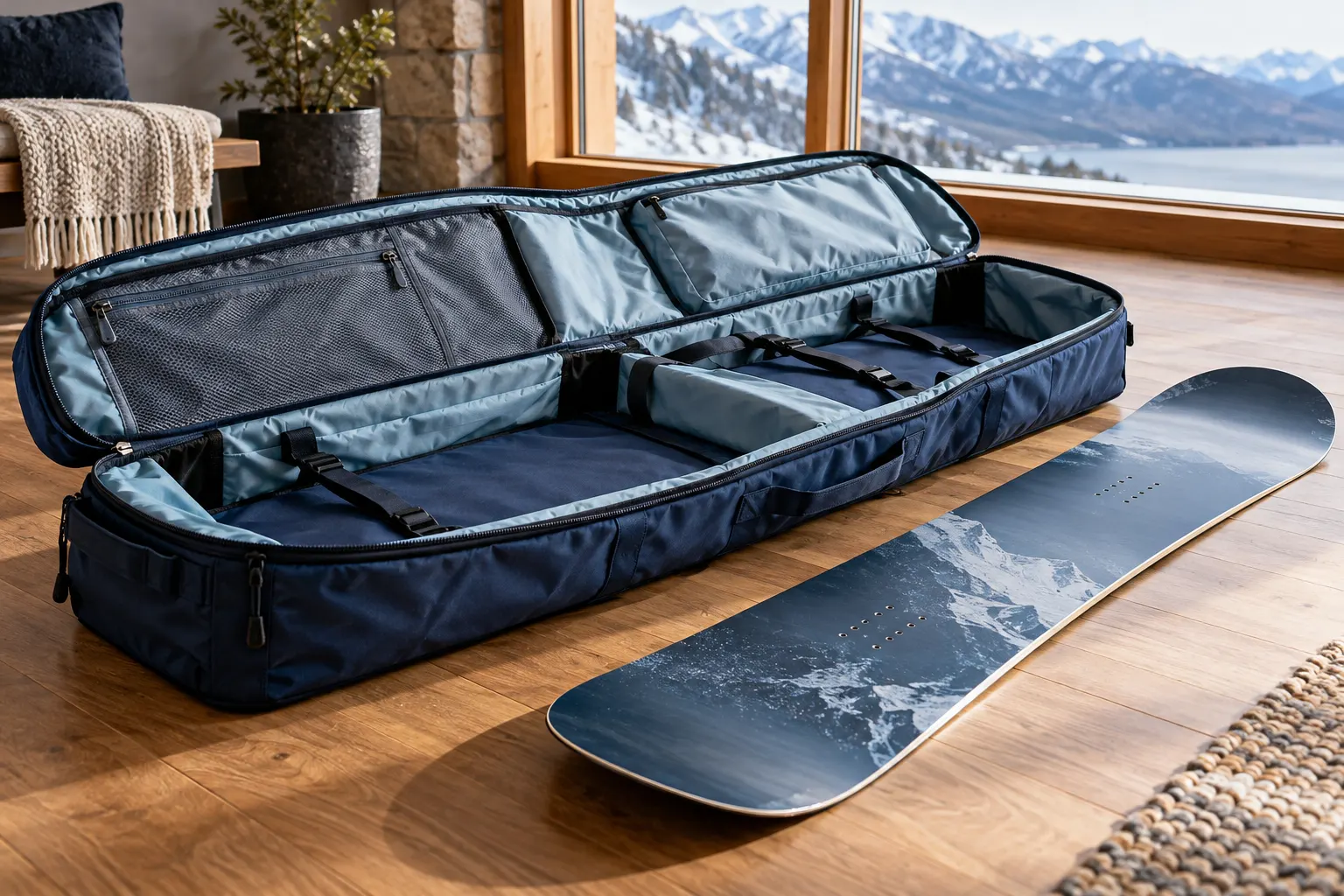
Two actual bags, two different carrying formats
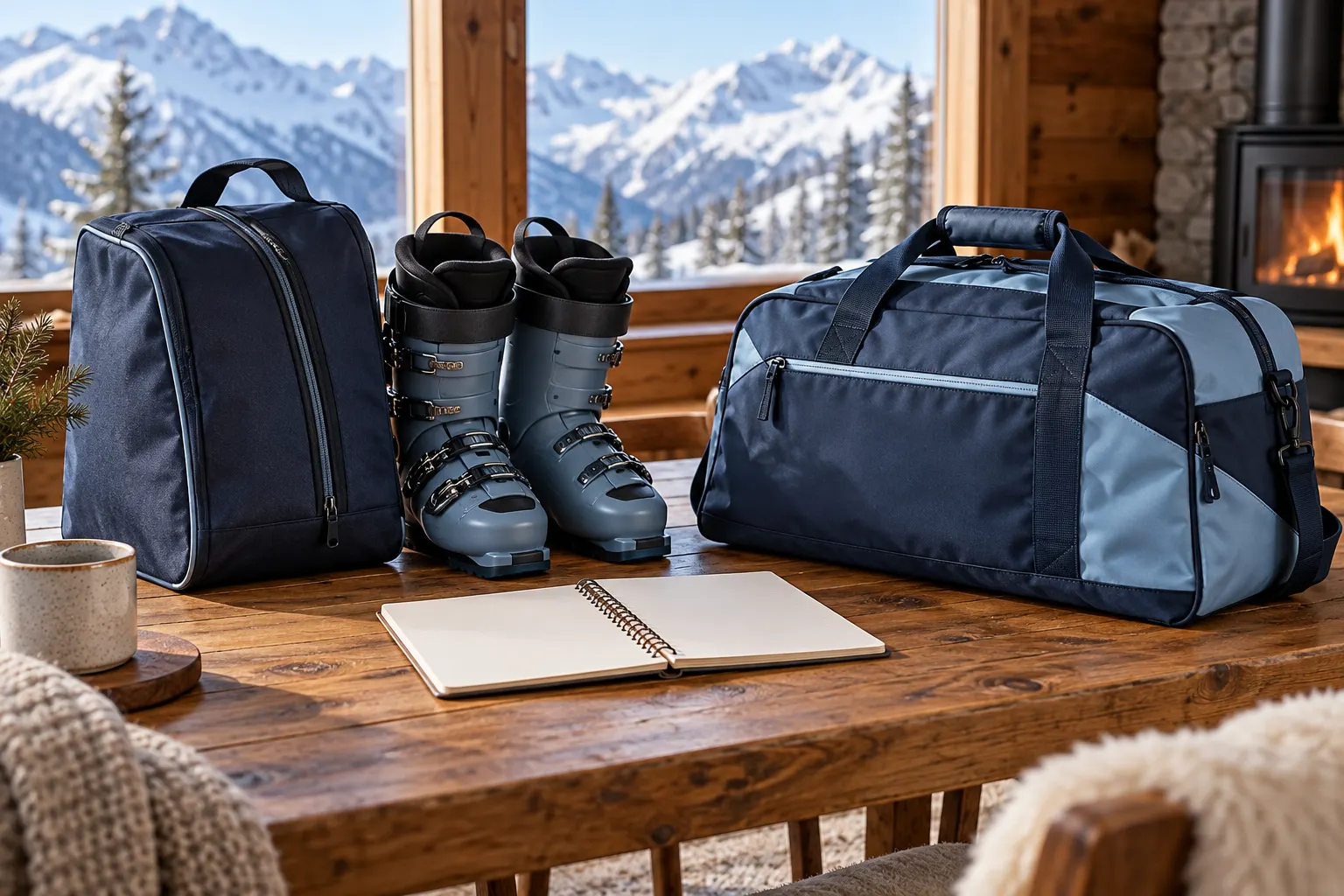
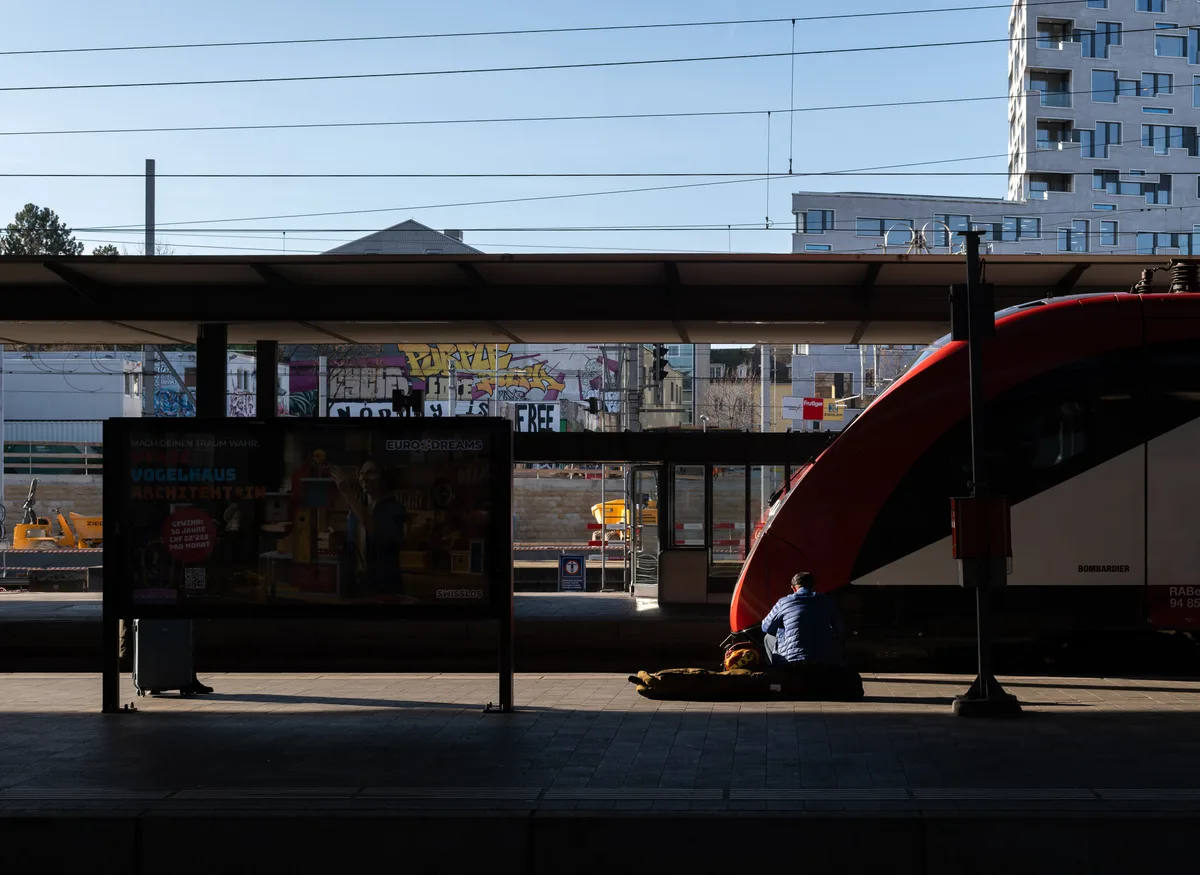
The Dakine Tour and Low Roller are actual snowboard travel bags with different published carrying arrangements. On 28 October 2026, Dakine Australia's Tour page described a shoulder-carried bag without wheels; the US Low Roller Black W26 reference described wheels and a removable boot bag. The table preserves that country and variant distinction. It is a specifications comparison, not a claim that the US variant is currently available from an Australian seller. The real railway-platform photograph shows why a long bag's carrying method matters between platforms, vehicles and accommodation, but supplies no dimensions or load rating. Neither bag is selected here as universally better: carrying distance, actual contents and the applicable baggage rules change the decision.
Dakine Australia Tour Snowboard Bag dimensions and stated capacity ? Dakine US Low Roller Black W26 dimensions and features ? Qantas sporting equipment and ticket-specific baggage arrangements ?
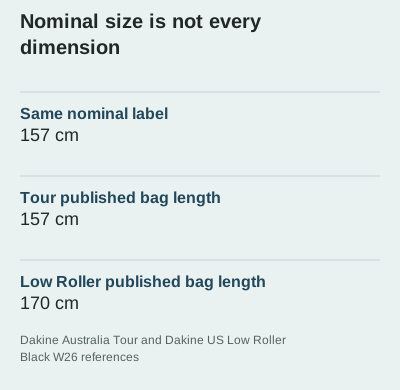
Read the size label beside the physical dimensions
For the Tour labelled 157 cm, the Australian manufacturer lists dimensions of 157 × 31 × 17 cm, a mass of 1.17 kg and a maximum snowboard length of 157 cm. For the Low Roller labelled 157 cm, the linked US manufacturer lists 170 × 30 × 15 cm, 2.6 kg and the same maximum board length. Thus equal nominal size labels do not mean equal bag dimensions. The listed lengths differ by 13 cm and the stated masses by 1.43 kg. Those are comparisons between published fields, not measured internal clearance. Ask which parts of the dimensions include external fittings and request confirmation against your actual board and mounted hardware before ordering.
| Field | Tour — Australian page | Low Roller Black W26 — US page |
|---|---|---|
| Nominal size | 157 cm | 157 cm |
| Published dimensions | 157 × 31 × 17 cm | 170 × 30 × 15 cm |
| Published mass | 1.17 kg | 2.6 kg |
| Movement | Shoulder strap; no wheels | 9 cm urethane wheels |
| Maximum stated board length | 157 cm | 157 cm |
Compare contents and movement, not just a length
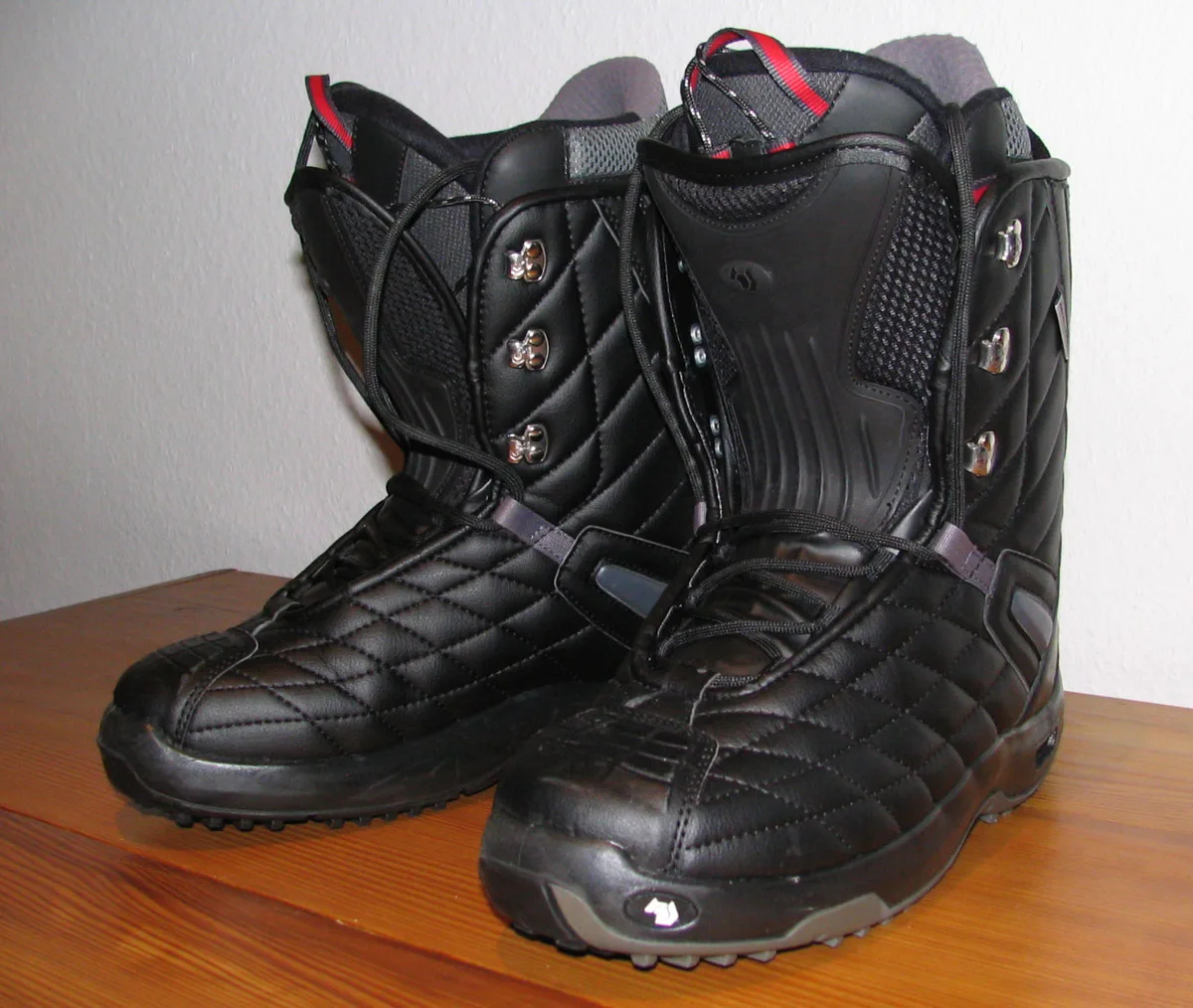
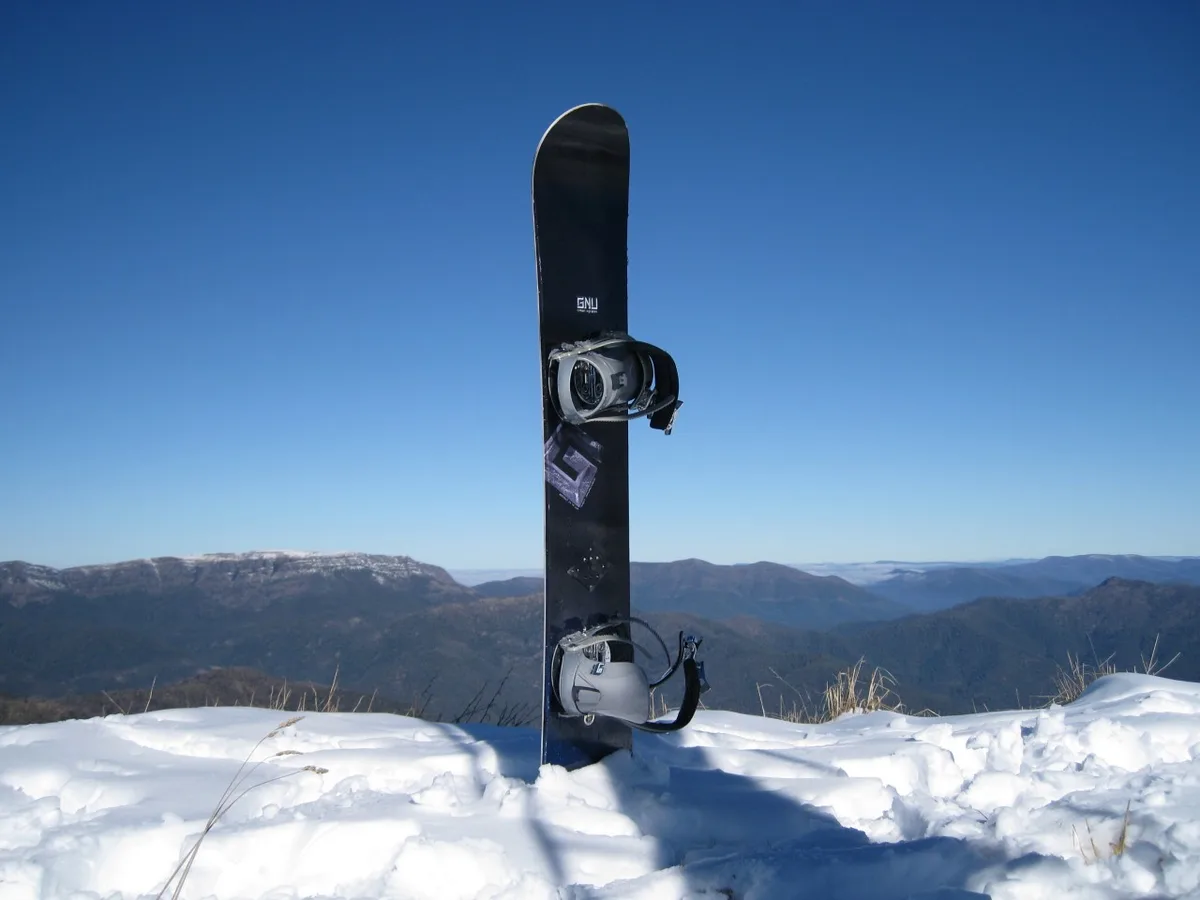
The Tour description allows a board, boots and outerwear, with padding and a removable shoulder strap. The Low Roller describes two boards, only one with bindings mounted, along with boots and outerwear; it also lists 9 cm urethane wheels and a removable boot bag. These are different documented layouts, not an invitation to exceed an airline limit or a guarantee that any combination will fit. The Mount Buller image shows actual mounted bindings, while the separate soft-boot photograph illustrates another bulky packing component. Keep those component shapes in the enquiry. A supplier should address your actual equipment rather than treating the photographed examples as a packing demonstration.
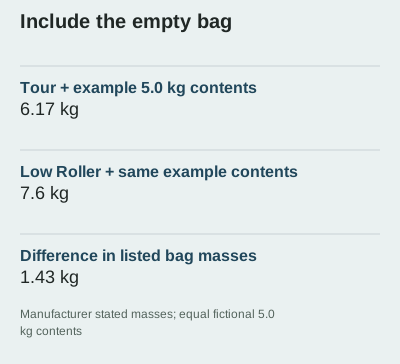
The bag itself belongs in the weight total
As an arithmetic example, 5.0 kg of equipment plus the Tour's listed 1.17 kg makes 6.17 kg; adding the Low Roller's listed 2.6 kg instead makes 7.6 kg. These are examples using equal hypothetical contents, not weighed finished luggage. Use the packing-mass tool to total known components and then weigh the complete packed bag. Qantas treats sporting equipment within the applicable baggage arrangements and refers travellers to ticket, operating-carrier and equipment conditions. A maximum permitted piece weight is not a free allowance. Do not repeat a manufacturer's general baggage-fee marketing sentence as a promise about your fare, route or codeshare flight.
Resolve the variant and the return question before payment
Save the exact linked model, colour/material variant, nominal length and stated dimensions with the supplier's answer. A different season or coated fabric version can have a different mass, so another product page cannot silently fill a missing field. Current Australian offer prices, stock and return costs have not been verified through an authorised retail feed and are not entered as zero. Ask whether the return policy permits an indoor, clean trial with your equipment and who pays oversized return freight. Keep the answer and the instructions. The useful outcome is a documented comparison of two real carrying formats, followed by confirmation of the actual contents and transport conditions rather than an automatic fit or baggage approval.
Open official source ? Open official source ? Open official source ?